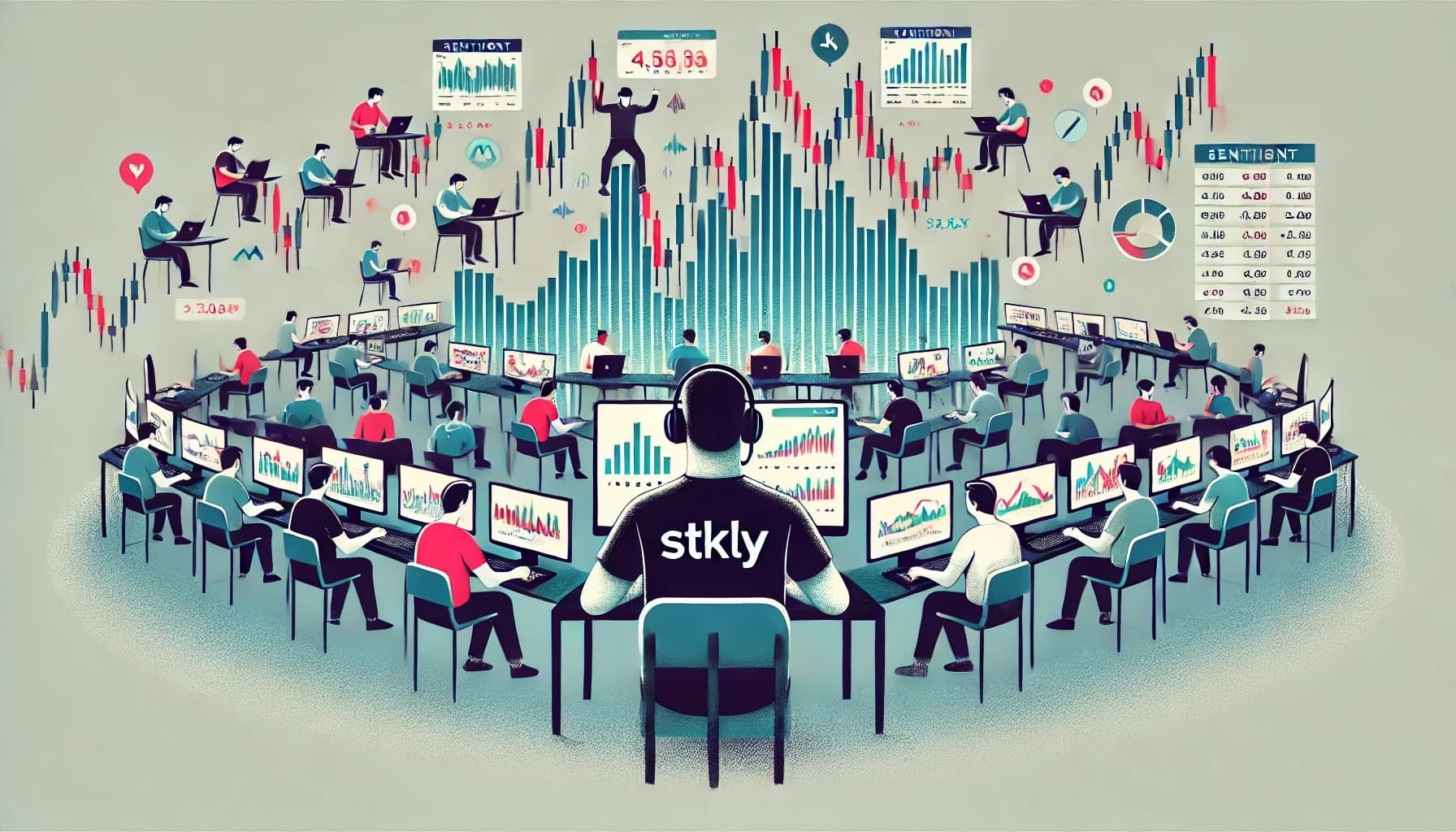
Market sentiment is one of the most powerful yet intangible forces in financial markets. It represents the overall attitude of investors towards a particular security, industry, or the market as a whole. When sentiment is positive, stock prices tend to rise, and when it's negative, prices tend to fall.
Understanding market sentiment requires studying key indicators such as the Fear and Greed Index, the Volatility Index (VIX), and the Put/Call Ratio. Traders also use AI-driven sentiment analysis tools to gauge market mood from news and social media trends.
One way traders utilize sentiment analysis is through contrarian trading. When sentiment reaches extreme levels, they take the opposite position, expecting a market reversal. Another approach is momentum trading, where traders ride trends confirmed by sentiment indicators.
Historically, shifts in sentiment have led to major market events. In March 2020, at the start of the COVID-19 pandemic, the market experienced a major sell-off due to fear. However, government stimulus measures shifted sentiment, leading to a strong recovery. Traders who closely watched sentiment indicators were able to capitalize on this shift.
Traders who integrate sentiment analysis into their strategies gain an edge in identifying opportunities and risks. Whether it's anticipating a reversal, riding momentum, or reacting to news-driven sentiment shifts, understanding market psychology is crucial.